
Be specific before arranging a visit
Give the full street address and explain where the affected entrance sits. If access is through a rear lot, shared passage, or gate, mention that early. The postal town alone may not describe how the site is reached.
For a vehicle, include the parking position, color, and model details. Clarify whether you need entry, a spare key, or a replacement because all keys are missing.
Treat access permissions as part of the job
A business key change should start with the doors that key operates and the person who can approve changes. For rented or shared premises, identify any landlord-controlled hardware and existing key arrangements before work is authorized.
If the issue is a lock that no longer operates reliably, describe what still moves: the key, handle, thumbturn, or latch. That information helps avoid treating an alignment or closing problem as a simple key replacement.
For a household, keep the plan door by door
Consider the everyday entrance and any less-used door that accepts the same old key. Rekeying suitable cylinders can address key access; replacement is a separate option for damaged or unsuitable hardware. Ask which doors are included, how many keys are provided, and how the agreed operation will be checked afterward. Charges and additional work should be understood before approval.
A few useful answers.
Does a Groveport address guarantee service availability?
No. Confirm the exact location, requested work, and current arrangements by phone before relying on a visit.
Is a museum or Main Street reference useful?
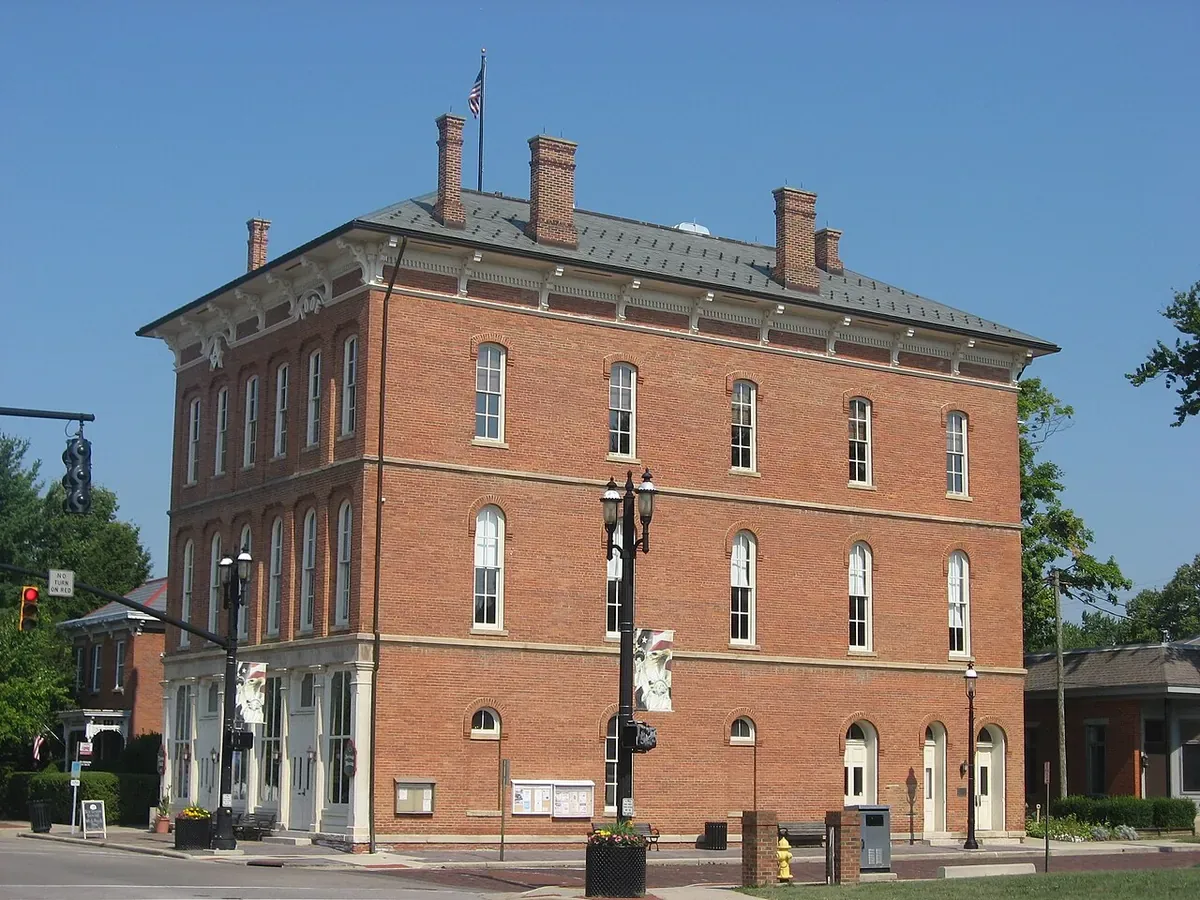
Yes, as context. Add the building number or actual parking position so the destination is unambiguous.
Can one missing business key affect several doors?
Yes. List every door it opens and mention any existing master-key system before deciding which cylinders need attention.