
A spare and an all-keys-lost request differ
If you have one working key, explain which functions it performs and whether you want another key with the same functions. If all keys are missing, say so immediately. The information, equipment, and steps needed can differ.
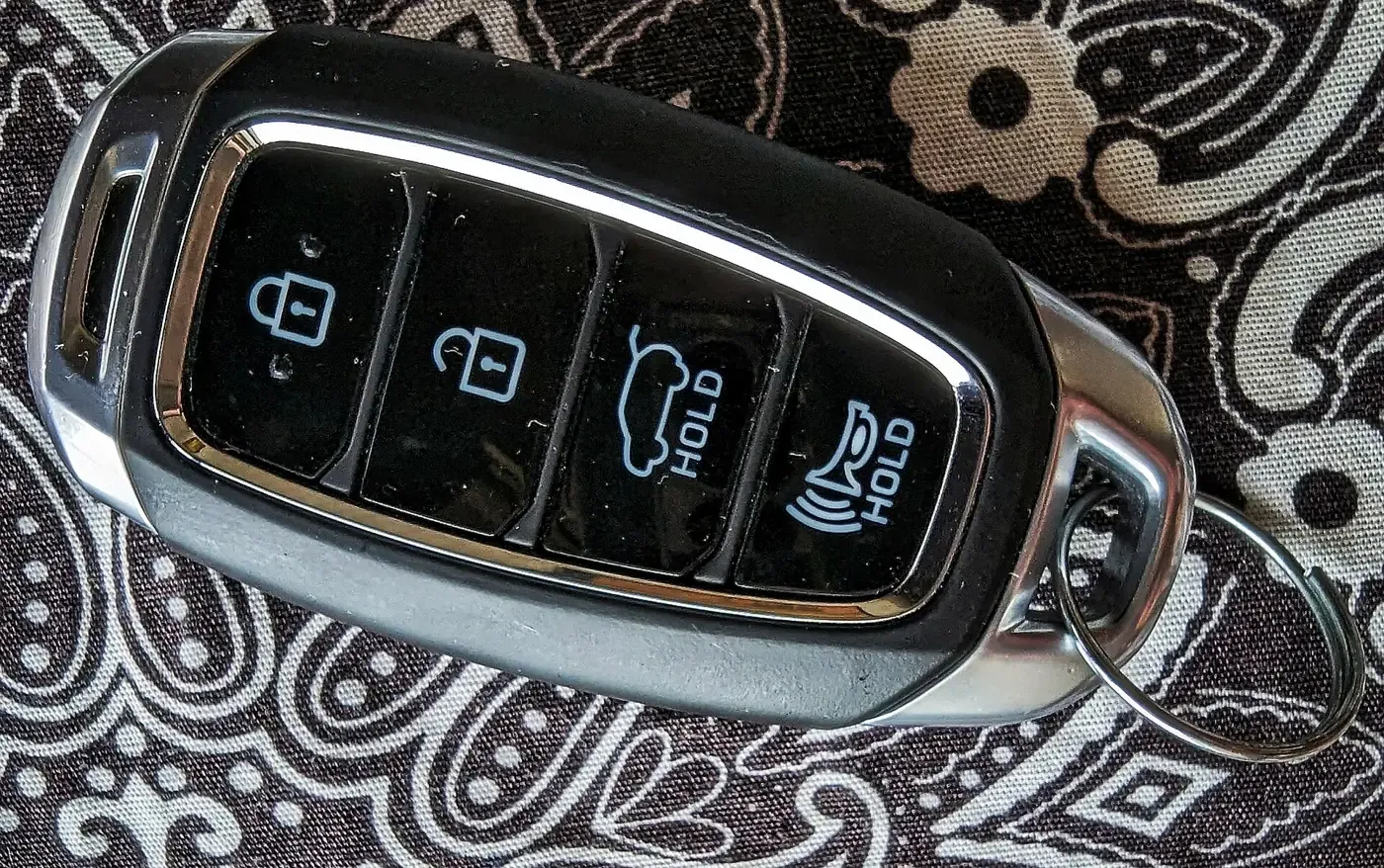
A replacement may involve a blade, transponder, remote buttons, or a proximity fob. Ask what is included in the proposed work rather than assuming that a cut key will also start the engine or operate every button.
Bring the details, not a guess
Have your registration or other ownership information available to discuss privately. A vehicle identification number may be needed through an appropriate channel. If an existing key is present, a description of its buttons and any visible identification can also help.
An online listing saying a fob fits a model range is not a guarantee that a particular unit can be used. Ask about customer-supplied keys before buying one, including compatibility and any restrictions on previously programmed items.
Check the handover where the car is parked
Whether the vehicle is near McCord Park or at your own address, provide its actual position and access arrangements. Before considering the work complete, clarify which functions will be checked: door access, starting, remote controls, and any emergency blade. Also ask what should happen to lost-key authorization where the vehicle system supports changes.
A few useful answers.
Can I buy the key first?
You can ask about a specific item, but confirm compatibility and whether customer-supplied equipment is accepted before purchasing.
Will the missing key stop working automatically?
Do not assume so. Discuss whether the vehicle supports changing electronic authorization and what that does or does not affect.
Is a replacement fob the same as a spare metal key?
No. Mechanical access and electronic starting or remote functions may require different components and work.