
Separate the door from its controls
A remote that does not respond is different from a door that moves a short distance and stops. Note whether the wall control behaves differently and whether indicator lights or messages appear. Report any recent change, including unusual noise or interrupted movement.
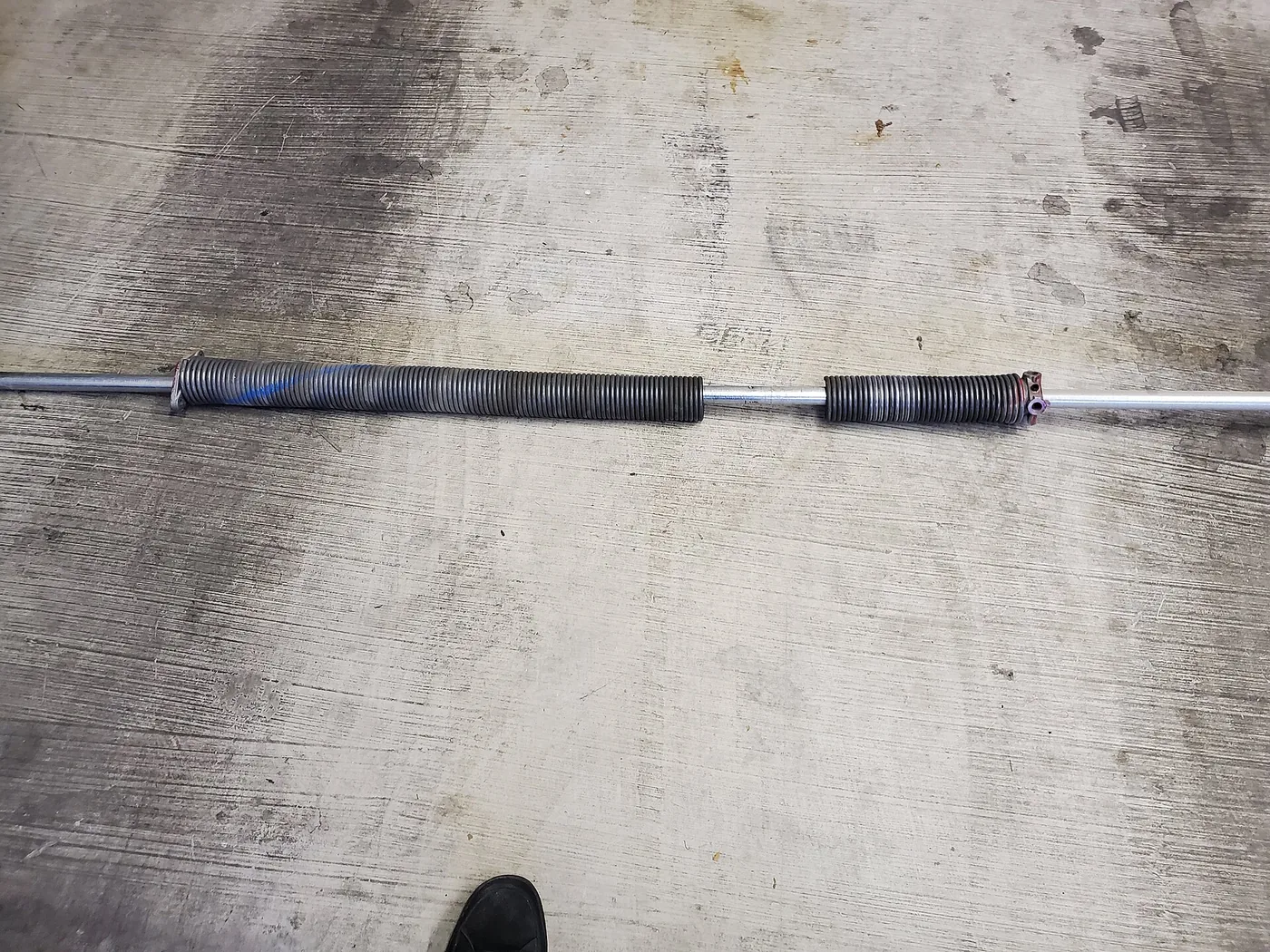
If the door is visibly crooked, a cable appears loose, or a spring looks damaged, stop operating it and keep the area clear. Do not loosen brackets, adjust springs or cables, or work under an unstable door. These parts can involve substantial stored force.
Identify the equipment and access
The opener brand and model label can help establish what is installed. Explain whether the garage is attached or detached, whether another entrance is available, and whether a vehicle is inside. Do not move under a partly open door to gather a label or photograph.
A day out around McCord Park should not end with repeated attempts to coax the garage closed. If the behavior is inconsistent, note what happens during normal use without repeatedly cycling a door that is struggling.
Define repair and key work separately
The moving garage door, opener, external keypad, and lock on a pedestrian door are separate systems. Specify which one concerns you. Ask how the proposed work will be explained, what charges may apply, and how the completed operation will be checked. Avoid assuming that a new remote will solve a mechanical door problem.
A few useful answers.
Is a reversing door always a sensor problem?
No. Obstructions, alignment, controls, or mechanical issues can produce different behavior. Describe what you observe without bypassing a safety feature.
Can I replace a spring myself?
Spring and cable work involves stored force. Arrange assessment by an appropriately qualified professional instead of attempting adjustments.
Should I keep trying the opener?
Stop if movement is uneven, components look damaged, or unusual strain is apparent. Report the behavior when arranging assessment.